

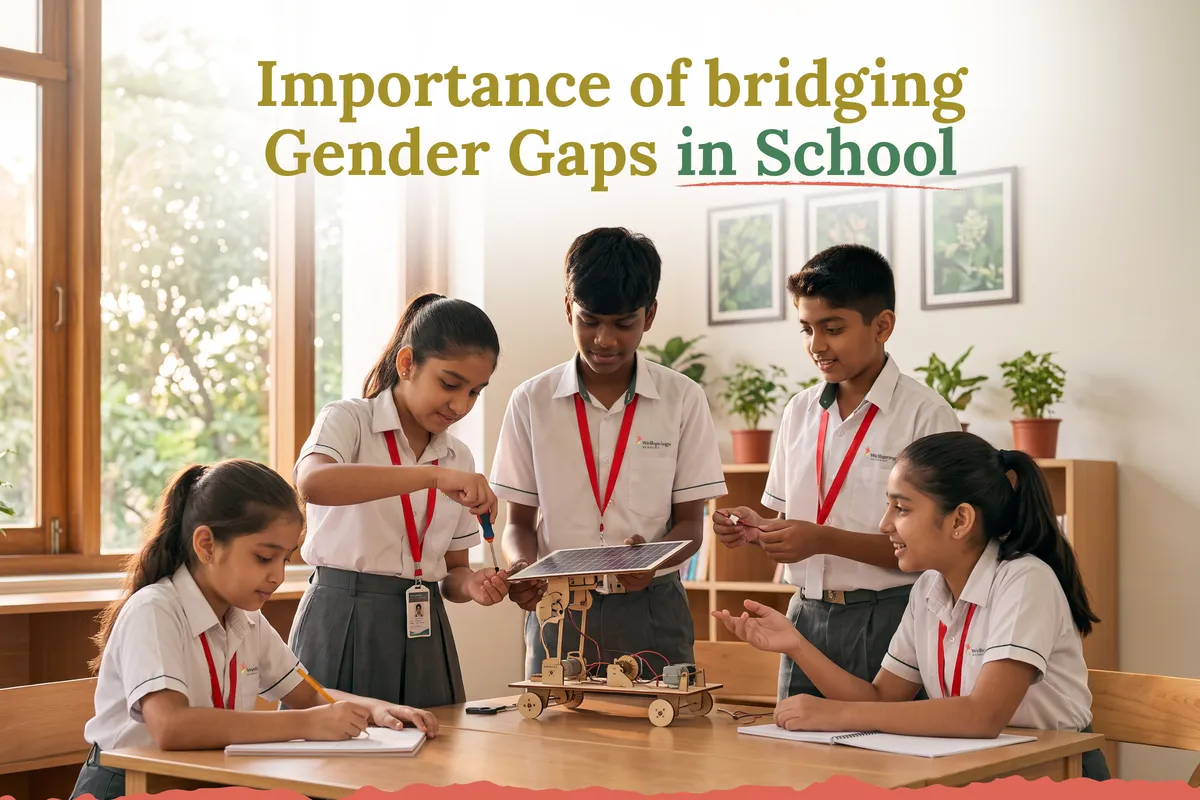
Every child learns best in a classroom where they feel safe, respected and valued. Reducing gender bias, along with bias of every other kind, is essential if a school wants its students to grow up with empathy, respect and a true sense of belonging. In this blog, we look at a few practical steps schools can take to reduce gender disparity in the classroom.
Set clear policies for addressing bias
A school needs clear, written policies for dealing with incidents of gender bias. These policies should define what counts as bias, with examples of the kinds of behaviour that are not acceptable in the classroom. They should set out how the school will support those affected and how it will respond to those responsible. A simple system for recording incidents helps the school spot patterns and areas of concern, and a plan for follow-up ensures that the school keeps supporting those affected and takes steps to stop the problem from happening again.
Train teachers and staff regularly
Regular professional development on diversity, equity and inclusion is one of the most effective ways for a school to tackle bias. These sessions give teachers and staff the knowledge, skills and tools to build a classroom that is fair to everyone. Good training shows teachers how to bring diversity, equity and inclusion into lesson planning and curriculum design, and it offers ideas for discussions and activities that get students thinking critically about these issues. It also continues well beyond a single workshop, with ongoing support and resources that help staff keep learning and growing in their understanding.
Create open forums for sharing experiences
Students need a safe and supportive space to share their thoughts and experiences, and they need to feel confident that their voices will be heard and valued. Schools can encourage these honest conversations in several ways. Teachers can invite students to share their views during class discussions and activities, and make sure the atmosphere feels safe enough for them to do so. Schools can build a strong sense of community and create opportunities for students of all genders to work with and learn from one another. Students should feel free to ask questions and look for more information, with resources at hand to support them. Finally, open communication between students, teachers and staff, with regular chances for everyone to offer input and feedback, keeps the conversation going.
Use gender-neutral language and unbiased resources
The language used in a classroom should be respectful and inclusive, and it should never stereotype or sideline any group of people. Schools can meet this standard by choosing words that respect everyone, including people from communities that have historically been marginalised or underrepresented. They can also use books and learning materials that reflect a wide range of perspectives and experiences, so that every student can see themselves in what they learn.
Build a sense of community and belonging
A strong sense of community in the classroom is one of the most important ways to reduce gender bias and build an inclusive, equitable environment. When students feel connected to their classmates and teachers, they engage more fully in their learning, feel safe and supported, and tend to do better academically.
Schools can build this sense of belonging in a few simple ways. Activities that bring students together encourage positive interactions among students, teachers and staff, and sports, clubs, group projects and discussions work especially well as ice-breakers. Giving students opportunities to share their cultures and experiences deepens these connections further. Schools can also support student leadership by inviting students to take on responsibilities such as organising events and helping to shape school policies and procedures.
Reducing bias in school takes continuous effort and commitment from everyone involved, from administrators, teachers and staff to students and parents. Tackling bias matters for students' well-being and for their academic growth alike. A school culture that actively works against gender bias and promotes inclusion and equity creates a safe, welcoming place where every student feels valued and respected, and where every student can thrive.
At Wellsprings Academy, this commitment sits at the heart of "Belong." Our mission is to provide a nurturing, inclusive environment where every child is known, supported and included. Our dance programme is open to every child, our theatre programme is built with inclusion on stage, and our clubs grow out of students' own ideas, so that every child has a place to take part and be heard.